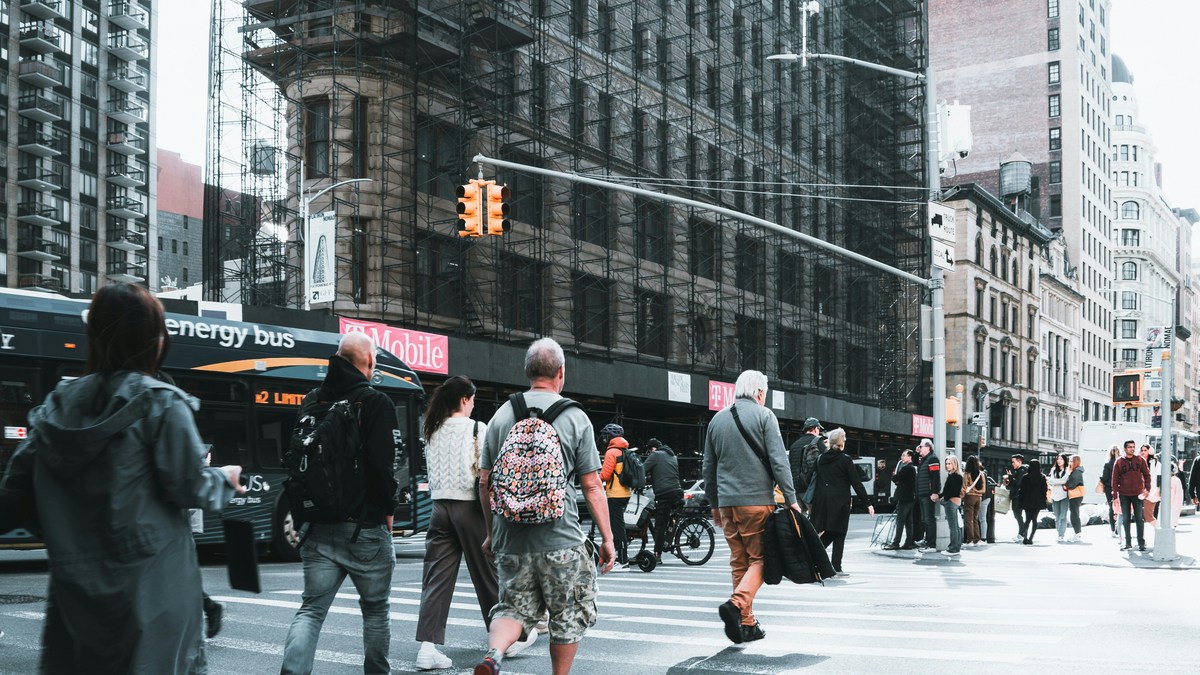
New York City is renowned for its vibrant urban environment and extensive public transportation network. As one of the most densely populated cities in the world, its walkability and transit options are crucial for residents and visitors alike.
Recent studies have evaluated the city's pedestrian infrastructure, transit accessibility, and overall mobility. The findings suggest that New York offers a highly walkable environment, with many neighborhoods designed to prioritize pedestrians. Sidewalks are widespread, and crosswalks are well-marked, making it easier and safer for people to navigate on foot.
Public transit in New York is among the most comprehensive in the United States. The Metropolitan Transportation Authority (MTA) operates an extensive subway and bus system that connects boroughs efficiently. This network provides a reliable alternative to driving, especially given the city's notorious traffic congestion and limited parking options.
Safety is a key factor influencing transit use. Data indicates that New York City has made significant improvements in pedestrian safety, with measures such as increased street lighting, traffic calming devices, and dedicated bike lanes. These initiatives have contributed to a decline in pedestrian accidents and enhanced overall safety for non-car commuters.
Accessibility for non-car users is further supported by the city's efforts to improve transit services. Many subway stations are equipped with elevators and ramps, ensuring access for people with disabilities. Additionally, the city has expanded bike-sharing programs and pedestrian zones to promote alternative modes of transportation.
Despite these positive aspects, challenges remain. Certain neighborhoods still face issues related to infrastructure maintenance and transit delays. Congestion during peak hours can also impact the efficiency of public transportation. Nonetheless, ongoing investments aim to address these problems and further improve mobility across the city.
Overall, New York City demonstrates a strong commitment to fostering a walkable environment and accessible public transit. These features not only enhance the quality of urban life but also contribute to environmental sustainability by reducing reliance on personal vehicles.
For visitors planning a trip, understanding the city's transit options and walkability can significantly enhance their experience. Utilizing the subway, buses, and pedestrian-friendly streets allows for convenient exploration of the city's diverse neighborhoods, cultural sites, and attractions without the need for a car.